piyush kaviraj

feelings and musings…


Leave a comment

BJP and the AAP Position : From The Indian Express


There is a joke in Delhi that the middle class that wants to participate by Twitter joins the BJP; the middle class that actually wants to participate will join the AAP – See more at: http://indianexpress.com/article/opinion/columns/bjp-and-the-aaposition/#comments

In politics, it is easy to become a victim of traps laid by our own convictions. We then cease to distinguish between political analysis and political endorsement. We cease to pay attention to trends. The Delhi election is indeed deeply important. It is shaping up to be a closer contest than anyone imagined six months ago. Much will depend on the AAP’s political campaign. But there is little doubt that there is space for it to re-emerge as a potent political force. On the evidence of their campaign so far, the BJP seems to be struggling to understand the nature of this challenge. It would do well to heed the warning signs.

The general election was a product of the twin narratives of fear of paralysis and fear of plutocracy. It was the anti-corruption movement, which morphed into the AAP, that took a battering ram to the legitimacy of the UPA. Modi walked into the breach. He seemed, with good reason, the best candidate, to overcome paralysis and restore a sense of possibility. Even if we argue that the jury is still out on where the NDA government is headed, other narratives are now opening up once again.

The fear of plutocracy has not gone away. It may have been overshadowed by the fear of paralysis. But corruption and unseemly conflicts of interest are still challenges. The government at the Centre may not have been rocked yet by a scandal. But it has done little to restore confidence in accountability institutions. The investigative arms of government remain mired in suspicion of extensive partisanship..

Parliament seems unlikely to exercise an oversight function and fears of the undue influence of capitalists are not entirely misplaced. The private sector’s fear about the legitimacy of PPPs is a backhanded acknowledgment of this reality. Except for dissimulation on black money, the government has no reform proposals to show. The problem with the AAP’s traditional approach was its overinvestment in top-down institutions like the Lokpal. But the presence of the AAP itself generates accountability, by inducing a different fear. It was a small party with disproportionate effect. The power of its own example is not inconsiderable. For the most part, its method of financing elections seems the most transparent that any political party has ever seen, setting a new trend. The AAP’s institutional promise rested on a new paradigm of citizen participation. Government by SMS or continual referendum is not a sustainable idea. But the idea that, in some crucial areas, we might need more participatory modes of government is powerful. Whatever the internal story with the AAP, it still takes the model of governance as a friendly, inclusive, neighbourly chat seriously. – See more at: http://indianexpress.com/article/opinion/columns/bjp-and-the-aaposition/#comments

Written by Pratap Bhanu Mehta


1 Comment

Gandhi Bot and Respect to Gandhi


Gandhi Bot and Respect to Gandhi

We all pay homage to the Father of our Nation, Mahatma Gandhi every year on Gandhi Jayanti, celebrating it as a dry day. And one fool of a comapny in capitalist US used his name and picture on beer cans and bottles. How disgusting, disrespectful, idotic, irresponsible and shameful behavior! They have insulted Gandhi, India and the feeling of respect to our great hero, our national icon. How dare they!
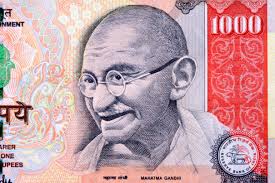
To us Gandhi is as important as Goddess Lakshmi. To us, he is as important as our dignity in the society and to us, he is as important as our currency notes which give us that dignity. And they disrespected him. Thankfully, someone has filed a case against this fool of a company at Cyberabad, contending that Gandhi’s image on the alcohol cans  by the brewery is highly condemnable and punishable under Indian laws like Prevention of Insults to National Honour Act, 1971, and 124-A of IPC (related to use of inflammatory words, signs or visible representation).
TO this, the company replies, “We do apologize if the good people of India find our Gandhi-Bot label offensive. Our intent is not to offend anyone but rather pay homage and celebrate a great man who we respect greatly. They go on with blatant display of shame in saying “Aromatic and fully vegetarian, Gandhi-bolt is an ideal aid for self-purification and the seeking of truth and love”
And they dont stop here. They are adding punchlines- “We hope that not only our product is consumed responsibly with fine food and friends but that they are also inspired to learn more about Mahatma Gandhi and his non-violent methods of civil disobedience. So many Indian people here in American love our tribute to the great man,”
They should learn how to respect Gandhi from us, Indians.  His statues keep on biting dust, for 363 days a year, sometimes, 365.25 as well! His principles long forgotten by all except a politically retarded old man in white caps and an ‘anarchist’ chief-minister. This year was even great. People were busy taking selfies and photographs with brooms, because Gandhi believed in cleanliness. Its really great that a PM helped his citizens remember Gandhi’s cleanliness freak 77 years after his death. Thousands of roads and streets have been named after Gandhi. Do we even think twice before spitting on the same roads! We stock alcohol on 1st October to celebrate the dry next day. That’s how we respect Gandhi! Who cares for Gandhi, except for the fact that his face appears on the notes. The notes which is circulated in so many hands in a day and finally kept in wallets, near the bums. Occasionally, to avoid breathing difficulties to Gandhi, people also have to fart. This is how we celebrate the cult called Gandhigiri
i.mg 1000
Who resorts to non-violence after drinking, except the Munna bhai saying Lage raho! Who cares to bow to any statue of him even for a second. And who walks without slippers on roads named after him!
I request Arnab Goswami, on behalf of our countrymen to raise this issue in his show so that Gandhi meets justice, as his shows have far-reaching effects.


Leave a comment

कोयले का ढेर


A wonderful poem by Miss Upasana Singh.

Written in remembrance of those 372 people who lost their lives in the Chasnalla IIsco coal mine disaster in 1975 on this day … RIP

वो कालिख से भरी दिन वो काला सा कोयले का ढेर ,
कर गया था कितने सपनो को राख ,कितनो की किस्मत में उलट फेर ,
वो कोयला का ढेर अब घरों के चूल्हे जला नहीं बल्कि बुझा कर आया था,
उस वक्त ज़िन्दगी में बस कोयले सा ही कला साया था,
किसे पता था पानी जो जीवन देती है वो जीवन ही बहा ले जाएगी ,
उठते गिरते साँसों को एक साथ डुबो कर जाएगी,
खदानों में भरे पानी के साथ शायद लोगों का दिल भी भर आया था,
वो कोयले सा पत्थर पानी से ही सबकुछ जला आया था ,
आज बहुत सालों के बाद भी कोयले की राख जलती ही रहती है ,
उस काली स्याह रात की कालिख अब भी ज़ेहन से नहीं निकलती है .

© 2014 Upasana Singh

https://www.facebook.com/upasana.singh.9461/posts/10203281258934296?pnref=story


1 Comment

Review of Bollywood movie PK by Aditi Sahu


“A lesson that the worst can come in the best of the packages..”

A complete, unbiased review of the Amir Khan Starrer movie ‘PK’ by Miss Aditi Sahu ! Keep it up! None of the newspapers got it this correct. The original review can be reached at https://aditisahu.wordpress.com/2014/12/25/review-bollywood-movie-pk/

pk

Aditi's avatarAditi Sahu

And here’s to the most anticipated film of the year ( I’m not sure about others, definitely for me)……
A lesson that the worst can come in the best of the packages..

Aamir Khan and Rajkumar Hirani Christmas releases are always looked forward to by all my family members, as these are the few movies we like to turn into family extravaganzas..thanks to the sensibility of both the director and the awe-inspiring actor! This was no different…

Oh what a shock I was in for while the movie had barely ran past the interval…

The first-half is genuinely funny. Aamir Khan as the bewildered alien lost on this unpredictable, diverse planet brings out genuine guffaws. His new concepts of stealing from ‘dancing cars’, trying to buy food from papers featuring Mahatma Gandhi’s photo, his mistaken lusty characteristics and his attempts to find God were indeed endearing. His interaction with real…

View original post 502 more words


1 Comment

मैं उर्दू में ग़ज़ल कहता हूं हिंदी मुस्कुराती है- मुनव्वर राना


original source credits: http://www.jankipul.com/2014/12/blog-post_20.html

आज हिंदी के दुःख को उर्दू ने कम कर दिया- कल साहित्य अकादेमी पुरस्कार की घोषणा के बाद किसी मित्र ने कहा. मेरे जैसे हजारों-हजार हिंदी वाले हैं जो मुनव्वर राना को अपने अधिक करीब पाते हैं. हिंदी उर्दू का यही रिश्ता है. हिंदी के अकादेमी पुरस्कार पर फिर चर्चा करेंगे. फिलहाल, मुनव्वर राना की शायरी पर पढ़िए प्रसिद्ध पत्रकार, कवि, लेखक प्रियदर्शन का यह मौजू लेख- प्रभात रंजन

============================

लिपट जाता हूं मां से और मौसी मुस्कुराती है / मैं उर्दू में ग़ज़ल कहता हूं और हिंदी मुस्कुराती है,ये मुनव्वर राना हैं- समकालीन उर्दू गज़ल की वह शख़्सियत जिनका जादू हिंदी पाठकों के सिर चढ़कर बोलता है।  हिंदी में उनकी किताबें छापने वाले वाणी प्रकाशन के अरुण माहेश्वरी बताते हैं कि मुनव्वर राना के संग्रह ‘मां’ की एक लाख से ज्यादा प्रतियां बिक चुकी हैं। यही नहीं, हाल में आई उनकी सात किताबों के संस्करण 15 दिन में ख़त्म हो गए। जिस दौर में हिंदी कविता की किताबें 500 और 700 से ज्यादा नहीं बिकतीं, उस दौर में आख़िर मुनव्वर राना की ग़ज़लों में ऐसा क्या है कि वह हिंदी के पाठकों को इस क़दर दीवाना बना रही है? इस सवाल का जवाब उनकी शायरी से गुज़रते हुए बड़ी आसानी से मिल जाता है। उसमें ज़ुबान की सादगी और कशिश इतनी गहरी है कि लगता ही नहीं कि मुनव्वर राना ग़ज़ल कह रहे हैं- वे बस बात कहते-कहते हमारी-आपकी रगों के भीतर का कोई खोया हुआ सोता छू लेते हैं। उनकी शायरी में देसी मुहावरों का जो ठाठ है, बिल्कुल अलग ढंग से खुलता है। मसलन, बहुत पानी बरसता है तो मिट्टी बैठ जाती है /न रोया कर बहुत रोने से छाती बैठ जाती है।… वो दुश्मन ही सही, आवाज़ दे उसको मोहब्बत से, सलीके से बिठाकर देख, हड़्डी बैठ जाती है।

बरसों पहले हिंदी के मशहूर कवि और ग़ज़लकार दुष्यंत कुमार ने अपनी इतनी ही मशहूर किताब‘साये की धूप’ की भूमिका में लिखा था कि हिंदी और उर्दू जब अपने-अपने सिंहासनों से उतर कर आम आदमी की ज़ुबान में बात करती हैं तो वे हिंदुस्तानी बन जाती हैं। दरअसल राना की ताकत यही है- वे अपनी भाषा के जल से जैसे हिंदुस्तान के आम जन के पांव पखारते हैं। फिर यह सादगी भाषा की ही नहीं, कथ्य की भी है। उनको पढ़ते हुए छूटते नाते-रिश्ते, टूटती बिरादरियां और घर-परिवार याद आते हैं। मां की उपस्थिति उनकी शायरी में बहुत बड़ी है- अभिधा में भी और व्यंजना में भी- जन्म देने वाली मां भी और प्रतीकात्मक मां भी- लबों पे उसके कभी बददुआ नहीं होती / बस एक मां है जो मुझसे ख़फ़ा नहीं होती।

ऐसी मिसालें अनगिनत हैं। लगता है मुनव्वर राना को उद्धृत करते चले जाएं- घर, परिवार, सियासत, दुख-दर्द का बयान इतना सादा, इतना मार्मिक, इतना आत्मीय कि हर ग़ज़ल अपनी ही कहानी लगती है, हर बयान अपना ही बयान लगता है- बुलंदी देर तक किस शख्स के हिस्से में रहती है / बहुत ऊंची इमारत हर घड़ी ख़तरे में रहती है /…. यह ऐसा क़र्ज़ है जो मैं अदा कर ही नहीं सकता / मैं जब तक घर न लौटूं, मेरी मां सजदे में रहती है।../ अमीरी रेशमो किमखाब में नंगी नज़र आई / गरीबी शान से इक टाट के परदे में रहती है।

दरअसल इस सादगी के बीच मुनव्वर एक समाजवादी मुहावरा भी ले आते हैं- राजनीतिक अर्थों में नहीं, मानवीय अर्थों में ही। उनकी ग़ज़लों में गरीबी का अभिमान दिखता है, फ़कीरी की इज़्ज़त दिखती है, ईमान और सादगी के आगे सिजदा दिखता है। हालांकि जब इस मुहावरे को वे सियासत तक ले जाते हैं तो सादाबयानी सपाटबयानी में भी बदल जाती है- मुहब्बत करने वालों में ये झगड़ा डाल देती है / सियासत दोस्ती की जड़ में मट्ठा डाल देती है। 

दरअसल यहां समझ में आता है कि मुनव्वर राना ठेठ सियासी मसलों के शायर नहीं हैं, जब वे इन मसलों को उठाते हैं तो जज़्बाती तकरीरों में उलझे दिखाई पड़ते हैं, मां के धागे से मुल्क के मुहावरे तक पहुंचते हैं और देशभक्ति के खेल में भी कहीं-कहीं फंसते हैं। लेकिन उनका इक़बाल कहीं ज़्यादा बड़ा है। वे सियासी सरहदों के आरपार जाकर इंसानी बेदखली की वह कविता रचते हैं जिसकी गूंज बहुत बड़ी है। भारत छोड़कर पाकिस्तान गए लोगों पर केंद्रित उनकी किताब ‘मुहाजिरनामा’ इस लिहाज से एक अनूठी किताब है। कहने को यह किताब उन बेदखल लोगों पर है जो अपनी जड़ों से कट कर पाकिस्तान गए और वहां से हिंदुस्तान को याद करते हैं, लेकिन असल में इसकी जद में वह पूरी तहजीब चली आती है जो इन दिनों अपने भूगोल और इतिहास दोनों से उखड़ी हुई है। यह पूरी किताब एक ही लय में- एक ही बहर पर- लिखा गया महाकाव्य है जिसमें बिछड़ने की, जड़ों से उखड़ने की कसक अपने बहुत गहरे अर्थों में अभिव्यक्त हुई है। किताब जहां से शुरू होती है, वहां मुनव्वर कहते हैं, ‘मुहाजिर हैं, मगर हम एक दुनिया छोड़ आए हैं / तुम्हारे पास जितना है हम उतना छोड़ आए हैं। आगे कई शेर ऐसे हैं जो दिल को छू लेते हैं, कहानी के ये हिस्सा आज तक सबसे छुपाया है / कि हम मिट्टी की ख़ातिर अपना सोना छोड़ आए हैं…./ जवानी से बुढ़ापे तक जिसे संभाला था मां ने / वो फुंकनी छोड़ आए हैं, वो चिमटा छोड़ आए हैं / किसी की आरजू के पांव में ज़ंजीर डाली थी / किसी की ऊन की तीली में फंदा छोड़ आए हैं। यह पूरी किताब अलग से पढ़ने और लिखे जाने लायक है।

बहरहाल, सादगी कविता का इकलौता मोल नहीं होती। उर्दू के ही सबसे बड़े शायर मिर्ज़ा गालिब कहीं से सादाबयानी के शायर नहीं हैं, उनमें अपनी तरह का विडंबना बोध है- ईमां मुझे रोके हैं, खैंचे है मुझे कुफ़्र’ वाली कशमकश, जो शायरी को अलग ऊंचाई देती है। इक़बाल भी बहुत बड़े शायर हैं- लेकिन उनकी भाषा और उनके विषय में अपनी तरह की जटिलता है। बेशक, मीर और फ़िराक देशज ठाठ के शायर हैं, लेकिन उनकी शायरी मायनी के स्तर पर बहुत तहदार है। लेकिन उर्दू में सादगी की एक बड़ी परंपरा रही है जो कई समकालीन शायरों तक दिखती है। फ़ैज़ की ज़्यादातर ग़ज़लें बड़ी सादा जुबान में कही गई हैं। निदा फ़ाज़ली, अहमद फ़राज़, बशीर बद्र अपने ढंग से सादाज़ुबान शायर हैं और बेहद लोकप्रिय भी। लेकिन मुनव्वर राना इस सादगी को कुछ और साधते हैं। उनकी परंपरा कुछ हद तक नासिर काज़मी की ‘पहली बारिश’ से जुड़ती दिखती है। लेकिन नासिर की फिक्रें और भी हैं, उनके फन दूसरी तरह के भी हैं। एक स्तर पर मुनव्वर अदम गोंडवी के भी क़रीब दिखते हैं, ख़ासकर जब वो राजनीतिक शायरी कर रहे होते हैं। लेकिन अदम में जो तीखापन है, उसको कहीं-कहीं छूते हुए भी मुनव्वर उससे अलग, उससे बाहर हो जाते हैं।

उर्दू की इस परंपरा को पढ़ते हुए मुझे हिंदी के वे कई कवि याद आते हैं जो अपने शिल्प में कहीं ज़्यादा चौकस, अपने कथ्य में कहीं ज़्यादा गहन और अपनी दृष्टि में कहीं ज़्यादा वैश्विक हैं। लेकिन पता नहीं क्यों, वे अपने समाज के कवि नहीं हो पाए हैं। अक्सर यह सवाल मेरे भीतर सिर उठाता है कि क्या यह कहीं शिल्प की सीमा है जो हिंदी कवि को उसके पाठक से दूर करती है?आखिर इसी भाषा में रचते हुए नागार्जुन जनकवि होते हैं, भवानी प्रसाद मिश्र दूर-दूर तक सुने जाते हैं, दुष्यंत भरपूर उद्धृत किए जाते हैं और हरिवंश राय बच्चन और रामधारी सिंह दिनकर तक खूब पढ़े जाते हैं। अचानक ये सारे उदाहरण छंदोबद्ध कविता के पक्ष में जाते दिखते हैं, लेकिन मेरी मुराद यह नहीं है। मेरा कहना बस इतना है कि हिंदी कविता को अपना एक मुहावरा बनाना होगा जो उसके पाठकों तक उसे ले जाए। ये एक बड़ी चुनौती है कि हिंदी कविता की अपनी उत्कृष्टता और बहुपरतीयता को बचाए रखते हुए यह काम कैसे किया जाए।

Source: http://www.jankipul.com/2014/12/blog-post_20.html

jankipul


2 Comments

Blood at Peshawar


I thought I have blood flowing in my veins…..

But blood is flowing out there,

From the veins of the children…..

And we grown ups…..

Can’t even pay a proper homage…..

And we say..

Blood flows through our veins…

Blood is flowing, out there,

On Streets….

Condemning Humanity!!

© 2014 Piyush Kaviraj
The poem can also be found at https://campusdiaries.com/node/28785


1 Comment

A safer place for women- How?


With reference to several articles on the recent ‘Uber’ incidence, don’t we think we have reached a stage where we just debate the consequences without doing some groundwork to prevent the unfortunate happenings. If our society is so dominated by male-chauvinism, with our full realisation, did we ever take any step to make it moderate and civilized!

Unfortunately, NO. Its not that we are suddenly realizing these evils. They were always there. It has been in recent decades that the media takes upon these topics and has been successful in creating some awareness. Woman commission has always been there, schools, teachers parents clergy, priests, bollywood and all the proponents of good and correct path were always there. Why didn’t then we teach our children the true values. One may argue that moral education classes in schools is a waste of time. How can it be if taken through correct discourse? Moral education as curriculum and inculcating moral values are two different things.
As we teach our children not to steal money or rob people of their belongings but help the blind cross the road, we have to teach them to respect women and their body and to understand that a woman’s no means NO. Here we have a general notion that there is a yes even in a girl’s no (Remember, Ladki ki naa me bhi haan hoti hai?). I myself have joked over this many times and i do feel sorry about this. We have to teach our children from an early age that women are not objects/commodities on which betting and ownership can be claimed. Parents, being the first teachers have to take up this responsibility so that the next generation is more civilized and learns to respect women.Jpeg
Charity begins at home. Let’s prevent future embarrassments by investing in today’s children. Empowerment won’t come through media debates but by doing our homeworks!
© 2014 Piyush Kaviraj


2 Comments

Whose heritage is it anyway?- An article from The Indian Express


Written by Jawhar Sircar | Posted: November 25, 2014 12:39 am

The World Heritage Week, which comes to a close today, provides an excellent occasion to introspect and reconsider our approach towards the preservation of a rich heritage that our forefathers, and nature, have bequeathed. For over one and a half centuries, the state has undertaken this task with a varying degree of success and failure. But it is now time for a mature nation to consider a broader framework of citizen-government partnership, as this heritage belongs to the entire nation and not only to its present custodians.

Let us look at our record so far. We have 32 sites, 25 of which are historic or “cultural”, on Unesco’s world heritage list, and only five countries are ahead of us — Italy, China, Spain, Germany and France. This is mainly because they were busy filing nominations in the 1970s, when the argumentative Indian and the Archaeological Survey of India were looking elsewhere. By the time we realised the importance of being on the list, the “drop gate” had come down and Unesco had restricted nominations from each country to only two per year, irrespective of its size, history or geography. But we do not seem to have succeeded even in this limited task, as the ASI could not submit even a single nomination to Unesco for several years. This “scandal” was hardly noticed either by the nation or successive directors general of the ASI, or even by culture secretaries and ministers.

When we finally got our act together, we managed to place 12 fresh sites on the tentative list that precedes the final scrutiny and listing in just four years, between 2009 and 2012, against only 12 claims listed in the preceding four decades. A part of this sudden burst of energy was owed to an advisory committee set up within the culture ministry comprising private experts, though the ASI did not seem pleased to have to give up its monopoly. Within the next two years, India filed 22 more applications, and we now have a wider choice of 50 “properties” on the tentative list from which we can select our final nominations to receive the world heritage tag. It saves us from the last-minute tension of filing dossiers on the closing day and substantiates the view that wider participation can help improve performance.

We have an inherent responsibility to protect and preserve what god has endowed us with, in the form of unique natural landscapes, seven of which find mention as “natural sites”. If one goes over the dates, one can clearly see how there were occasional bursts of energy in the ministry of environment in 1985-88 and then again in the 2010s. There are mysterious black patches when no effort was continued…

– See more at: http://indianexpress.com/article/opinion/editorials/whose-heritage-is-it-anyway/#sthash.lQNjjUyc.dpuf


Leave a comment

Spread happiness to stay happy


Movies like “Bawarchi”, “Anand” and “Kal Ho Na Ho” portray characters who can meet, mingle with and befriend any fellow human being on this earth. Making friends and winning confidence of people looks like the easiest thing to them. They bring a glowing smile on the face and an aura of happiness around. Are such people confined only to movies? Is it a difficult task to undertake and execute in the real world?

Do such people have some special talent to achieve this? I don’t think so! To open ourselves to meet some stranger and spread happiness around him or her is not an un-achievable feat. It requires a change. A positive vibe and a self confidence, powerful enough to reassure those around us. However, those changes have to be explored or inculcated within us. Some may find it difficult in the beginning but it shows good results. It may be acquired like a reflex with continuous practice.

People may ask  about relevance of such a habit. Is it worth enough to take such pains to modify ourselves in order to improve the conditions around us. Yes! it is. It is worth and it will always be relevant, in all ages. Don’t we often complain about lack of a healthy and good environment at work-place, hostels, classrooms, societies etc. There is a lacuna which has to be filled to make the environment healthy and conducive to productivity. This rectification can be done by changing our attitude, the way we think and our approach to life. The balance in nature demands a continuous and dynamic give-and-take relationship. So if we want happiness and positive vibes, we have to take measures to begin this ourselves, from within each one of us.

Let us practice this art. As the saying goes, we get what we give, sooner or later. Lets us spread happiness and get some in return.

First published at: http://www.speakingtree.in/spiritual-blogs/seekers/self-improvement/spread-happiness-to-stay-happy

Tweet: @piyushKAVIRAJ

© 2013 Piyush Kaviraj


2 Comments

कुमार विश्वास क्यों मेरे दिल के बहुत करीब है? – श्री प्रभात रंजन


“कुमार के ऊपर मेरा विश्वास इसलिए है क्योंकि वह हमारी तरह कस्बाई है, हिंदी वाला है और वह पहला हिंदी वाला है जिसको चाहने वाले इसलिए नहीं शर्माते कि वह हिंदी वाला है. कुमार विश्वास ने हिंदी को गर्व की भाषा बनाया है, वह एक बहुत बड़े तबके के लिए अब शर्म की भाषा नहीं रह गई है. यह काम वे गंभीर लेखक नहीं कर पाए जो स्त्री विमर्श, अस्मिता विमर्श के फ़ॉर्मूले गढ़ते रहे”

आज डॉ कुमार विश्वास किसी परिचय के मोहताज़ नहीं. युवा दिलों की धड़कन और हर उम्र के पसंदीदा कुमार ने हिंदी भाषा साहित्य में जो फिर से विश्वास जगाया है वह प्रशंशनीय है. आज एक बार फिर किसी कवि की पंक्तियाँ अगर फ़िल्मी गानों की तरह लोगों की जुबां पर है तो वो कुमार विश्वास का है. प्रस्तुत है जानकीपुल पर प्रकाशित  जी का यह आलेख. 

” मैं हिंदी का कैसा लेखक हूँ यह आप जानें. मुझे अपने लेखन को लेकर कोई मुगालता नहीं है. लेकिन ‘पाखी’ पत्रिका में कुमार विश्वास के साक्षात्कार के प्रकाशन के नजरिये और उनके साक्षात्कार के प्रकाशन के बाद जिस तरह हम खुद को गंभीर लेखक साबित करने के लिए कुमार के ऊपर हमले कर रहे हैं, उसने मुझे आहत  किया है. मुझे हर जनप्रिय लेखक के ऊपर हमला आहत करता है. कि भी ऐसा लेखक जो आम जन में अपने लेखन के बल पर अपनी मुकाम बनाता है वह त्याज्य कैसे हो सकता है? यह सवाल ऐसा है जिससे मैं करीब 30 साल से जूझ रहा हूँ.

पहले मैं यह बता दूँ कि मैं कुमार विश्वास का क्यों कायल हूँ? एक, कुमार हमारी तरह की हिंदी आइदेंटिटी वाला है यानी हिंदी माध्यम का पढ़ा-लिखा, हिंदी में मास्टरी करने वाला. इसके बावजूद वह ‘यूथ आइकन’ बना. जी, फ़िल्मी कलाकारों को छोड़ दें तो मेरे अनुभव में ऐसा आइकन कोई और नहीं है. मैं खुद हिंदी का मास्टर हूँ. दिल्ली विश्वविद्यालय के अलग-अलग कॉलेजों के विद्यार्थियों के संपर्क में रहता हूँ, तकनीकी शिक्षण संस्थानों में जाता आता रहता हूँ, जिस कॉलेज में पढाता हूँ उसके बगल में दिल्ली का एक प्रतिष्ठित मेडिकल कॉलेज है जहाँ के लड़के लडकियों से गाहे बगाहे मुलाकात होती रहती है. उनके लिए हिंदी का मतलब कुमार विश्वास है, साहित्य का मतलब कुमार विश्वास है. यह मैं अपने अनुभव से कहना चाहता हूँ.

बहुत पहले मनोहर श्याम जोशी ने अपने उपन्यास ‘कसप’ में यह सवाल उठाया था कि हिंदी पट्टी के प्रेमी प्रेमिका प्रेम में ‘पीले फूल कनेर के’ जैसे साहित्यिक कविताओं के आदान-प्रदान करने की जगह फ़िल्मी गीतों के माध्यम से अपनी भावनाओं को क्यों अभिव्यक्त करते हैं? मैंने ‘कुमार के गीत ‘कोई दीवाना कहता है कोई पागल समझता है’ गुनगुनाते बढ़िया बढ़िया हाई फाई लड़कों को भी सुना है. मुझे यह कहने में कोई उज्र नहीं है कि आज हिंदी में ऐसे लेखकों की जो नई खेप आई है जो इंजीनियरिंग, मेडिकल, मैनेजमेंट की बैकग्राउंड की हैं तो उसके पीछे कहीं न कहीं कुमार की लोकप्रियता है, ऐसे शिक्षण संस्थानों में उसकी स्वीकार्यता है. हिंदी का दायरा बढाने में कुमार विश्वास की भूमिका ऐतिहासिक है. यह सच्चाई है कि अखिलेश की कहानियों या भगवानदास मोरवाल टाइप लद्धड़ लेखन करने वाले लेखकों के उपन्यासों ने किसी को प्रेरित किया हो या नहीं लेकिन कुमार की कविताओं ने एक पीढ़ी को प्रेरित किया है, प्रभावित किया है. गर्व होता है कि वह अपने जैसा टाइप है, हिंदी वाला है. क्यों न करूँ. हम हिंदी वाले अंग्रेजी के चेतन भगत तक को स्वीकार कर लेते हैं लेकिन अपने हिंदी वाले कुमार विश्वास को स्वीकार करने में हमारी हेठी होती है. यह मध्यवर्गीय हीनताबोध है और कुछ नहीं.

उसकी कविताओं ने एक और बड़ा काम किया है. मंचों पर उसके आने से पहले सुरेन्द्र शर्मा, जेमिनी हरियाणवी, अशोक चक्रधर टाइप चुटकुलेबाजों का दबदबा था जिन्होंने एक दौर तक हिंदी को ही चुटकुले में बदल दिया था. कुमार ने हास्य कविता के उस दौर के अंत पर निर्णायक मुहर लगाई. उसने मंचों पर छंदों की वापसी की. गोपाल सिंह नेपाली, रमानाथ अवस्थी की खोई हुई कड़ी को मंचों पर फिर से जीवित बनाया. यहाँ यह कहने में मुझे कोई डर नहीं है कि हिंदी के बहुत सारे कवियों से वह शुद्ध भाषा लिखता है. मैं पूछना चाहता हूँ कि ‘महादेव’ जैसा सीरियल लिखने वाला, गंगा यात्रा करने वाला निलय उपाध्याय नामक कवि किस तर्क से प्रगतिशील बना रहता है और कुमार जन विरोधी हो जाता है.

एक बात और जिसका जिक्र जरूरी है. हम जनवादी लेखक जन सरोकारों की बात बहुत करते हैं लेकिन जन आंदोलनों में हमारी भागीदारी नगण्य रहती है. कुमार ने अन्ना के आन्दोलन से लेकर आम आदमी पार्टी में अपने आपको दांव पर रखकर, अपने कैरियर को दांव पर रखकर जो महत्वपूर्ण भूमिका निभाई उसके लिए मैं सदा उसका आदर करूँगा. उसने साबित किया कि वह सच्चा जनकवि है.

अब उसकी आलोचना में हम जितना भी यह कह लें कि वह स्त्री विरोधी है, जाति सूचक है तो भाई लोगों इस तर्क से कबीर से लेकर ‘मैंने जिसकी पूंछ उठाई मादा पाया’ जैसी कवितायेँ लिखने वाले कवि धूमिल को हम क्यों बख्श देते हैं? और सबसे बड़े विद्रोही लेखक राजकमल चौधरी को? ‘नदी होती लड़की’ कहानी के लेखक प्रियंवद को? असल में दाखिल ख़ारिज करने का खेल हम अपनी सुविधा के मुताबिक़ खेलते हैं.

मैं फिर कहना चाहता हूँ कि कुमार के ऊपर मेरा विश्वास इसलिए है क्योंकि वह हमारी तरह कस्बाई है, हिंदी वाला है और वह पहला हिंदी वाला है जिसको चाहने वाले इसलिए नहीं शर्माते कि वह हिंदी वाला है. कुमार विश्वास ने हिंदी को गर्व की भाषा बनाया है, वह एक बहुत बड़े तबके के लिए अब शर्म की भाषा नहीं रह गई है. यह काम वे गंभीर लेखक नहीं कर पाए जो स्त्री विमर्श, अस्मिता विमर्श के फ़ॉर्मूले गढ़ते रहे.

अंत में एक बात, कुमार विश्वास में एक ही कमी मुझे लगती है वह यह है कि वह अपने ग्लैमर से खुद ही बहुत प्रभावित हो गए हैं. आत्ममुग्ध से हो गए हैं. बड़ा रचनाकार वह होता है जो अपने ग्लैमर को तोड़कर बाहर निकल जाता है. मुझे बच्चन जी का किस्सा याद आता है. वे अपने जमाने के सबसे लोकप्रिय कवि थे. लेकिन उनको बाद में यह समझ में आया कि असली पूछ लोकप्रिय लोगों की नहीं गंभीर छवि वालों की होती है तो वे इंग्लैंड गए, वहां यीट्स पर पीएचडी की. वाद में जब लौटकर आये और इलाहाबाद विश्वविद्यालय में उनको कोई बच्चन जी कहकर पुकारता था तो वे कहते थे- ‘डोंट कॉल मी बच्चन! आई एम एच. बी. राय!’

वैसे अच्छा ही है कुमार विश्वास में यह बनावटीपन नहीं आया है. और इसलिए उसकी कवितायेँ हो सकता है मुझे पसंद नहीं हों लेकिन हिंदी का यह गर्वीला ब्रांड मेरे दिल के करीब है.

अब लेख ख़त्म करता हूँ और कुमार की सुरीली आवाज में ‘कोई दीवाना कहता है…’ सुनने के लिए यूट्यूब का रुख करता हूँ!  पढने से अधिक मजा उसे सुनने में आता है”.

प्रभात रंजन.

http://www.jankipul.com/2014/11/blog-post_18.html?m=1

jankipul